
Once the planning is complete and permits are approved, a new home build finally moves from paper to the ground. This stage may not look glamorous from the outside, but it is one of the most important phases of the entire process.
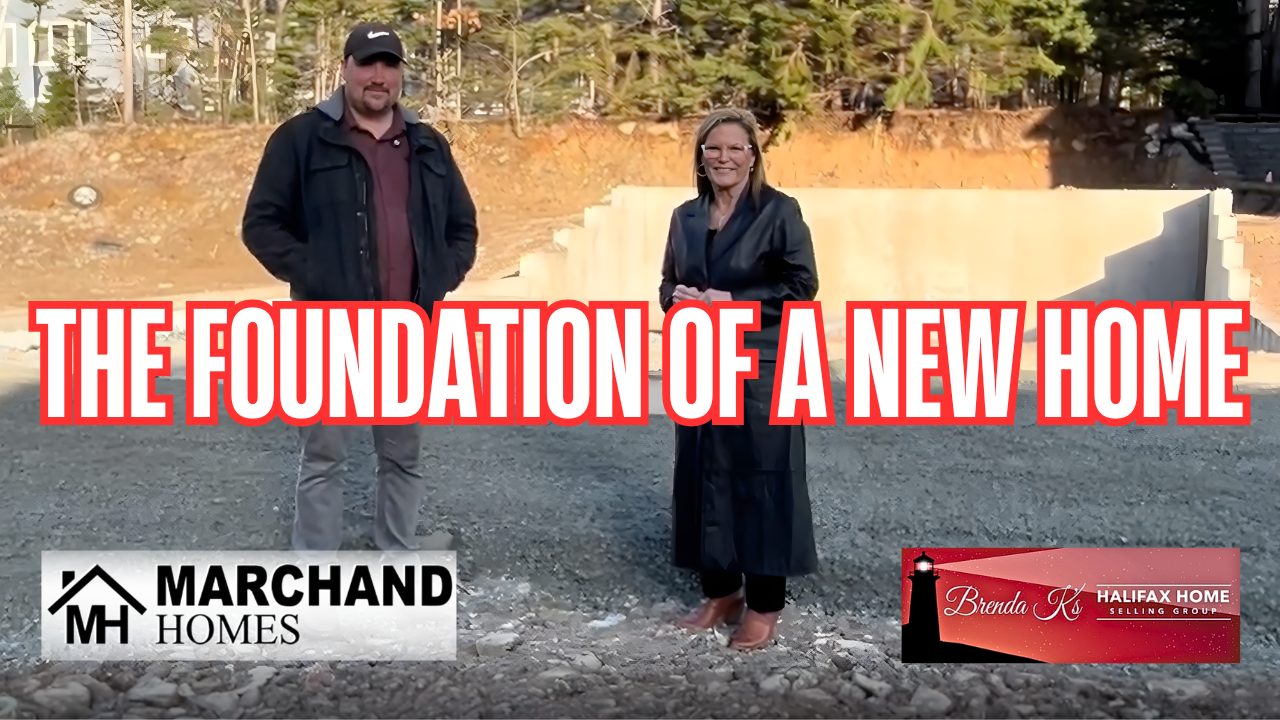
In Episode 2 of our A New Home Build from Start to Finish series, I’m back on site in Dartmouth, Nova Scotia, with Chris from Marchand Homes to walk through the footings and foundation stage — the work that everything else depends on.
Footings: Where the Home Truly Begins
Every foundation starts with footings. These are poured below the frost line to ensure the home remains stable through seasonal freeze and thaw cycles. In our region, that means footings must be placed at least four feet below ground level.
This depth is critical. Without it, movement in the soil could cause shifting or cracking over time. While it’s not something homeowners ever see once the house is complete, footings are one of the most important structural elements in the build.
Foundation Walls and Drainage
Once the footings are in place and inspected, foundation walls can be poured. At this stage, drainage becomes a key consideration.
Around the entire foundation, gravel and perforated drain tile are installed. This drain tile — a perforated pipe that runs around the home — helps move water away from the foundation and prevents moisture from building up around the walls. Proper drainage at this stage plays a major role in protecting the home long-term.
Inspections Before Moving Forward
The foundation stage is heavily inspected. Footings are inspected first, followed by foundation walls and any required below-grade insulation.
A location certificate is also completed to confirm the home is positioned correctly on the lot and complies with municipal approvals. This step is especially important on serviced lots, where placement is more tightly regulated.
Only after these inspections are complete can the build move forward.
Curing Time and Backfilling
After foundation walls are poured, time is needed for the concrete to cure. Taller foundation walls require more curing time before backfilling can occur. Backfilling too soon could put pressure on the walls before they have fully hardened.
Once backfilled, the site is ready for framing to begin — and progress starts to happen quickly.
Building Through the Winter
Seasonal timing also plays a role at this stage. While winter conditions can slow certain parts of construction, framing can still begin even before the basement floor is poured.
In colder months, builders often wait to pour the foundation floor until the structure is enclosed and heated. This ensures a better-quality concrete finish and avoids issues caused by cold temperatures.
Why the Foundation Stage Matters
The foundation stage sets the tone for the rest of the build. Proper footings, drainage, inspections, and curing all contribute to the long-term performance of the home.
It’s not the most visible part of construction, but it’s the stage that supports everything else — literally.
In the next episode of the series, the home moves from foundation to structure as framing begins and the build starts to take shape above ground.
Watch the Build Series
This blog post is part of our A New Home Build from Start to Finish series on the Halifax Real Estate YouTube channel with Brenda K
1️⃣ Watch Episode 1: Before the Home Build Begins
2️⃣ Watch Episode 2: Building a Home from the Ground Up
You can also follow along with the entire series as we document each stage of this real new home build in Dartmouth, Nova Scotia — from early planning through construction and on to the finished home.
If building a home or making a move is on your mind, my team of buyer specialists and I would love to help you talk through your options and plan your next steps with clarity and confidence. You’re always welcome to reach out at 902-471-8497 or connect with us at www.brendak.ca.