
Over the years, I’ve had the privilege of working alongside many of Halifax’s home builders, and one thing I’ve learned is that building a home today isn’t what it was 20 or 30 years ago….
There’s something exciting about choosing a floor plan, selecting finishes, and watching your dream home take shape from the ground up. But while the end result may still be the same—a home built just for you—the journey to get there has changed dramatically.
Over the past three decades, the home building industry has evolved in ways many buyers don’t realize. Building codes have become more stringent, energy efficiency standards have improved, construction timelines have lengthened, and the cost of building has increased significantly. At the same time, homeowners have access to better materials, smarter home designs, and far more customization than ever before.
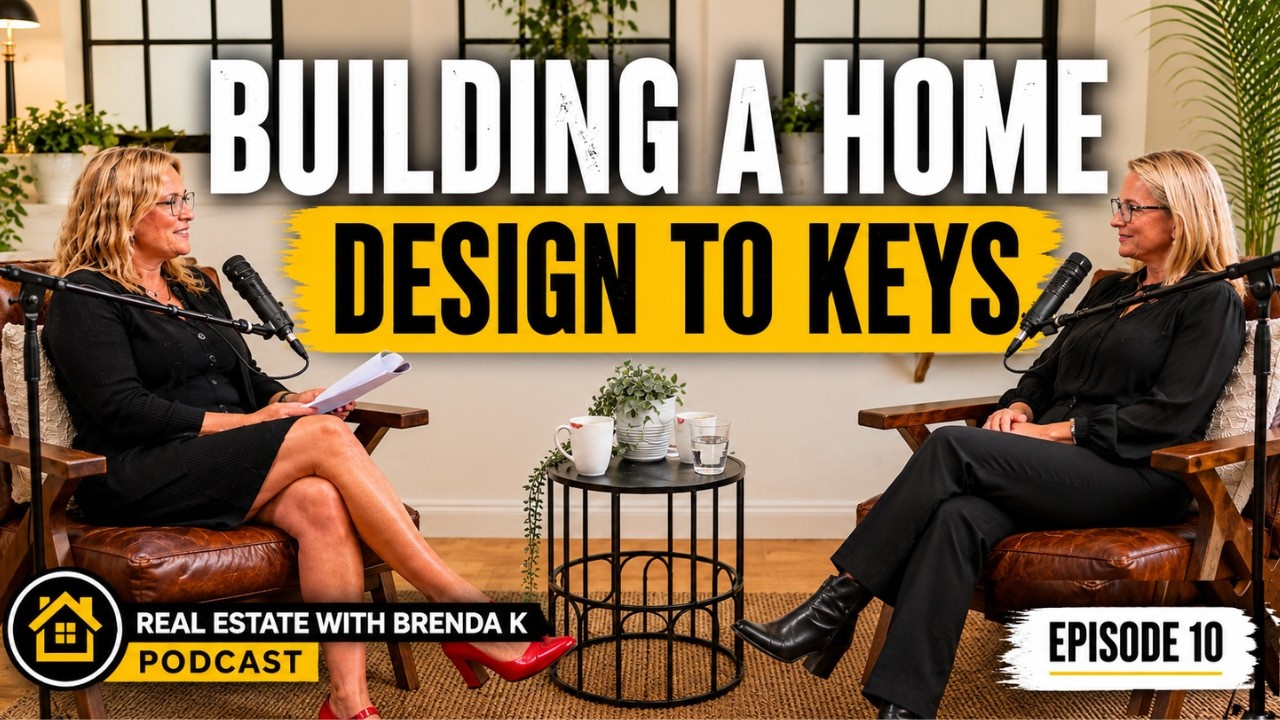
As a REALTOR® who has worked alongside builders throughout my career, I’ve watched these changes firsthand. Recently, I had the opportunity to sit down with Tamara Barker, President of Whitestone Development, whose company has been building homes and communities throughout Halifax since 1995. Our conversation offered an inside look at what really goes into building a home today—and why choosing the right builder is one of the most important decisions you’ll make.
Home Building Has Come a Long Way
It’s hard to believe how much the industry has changed.
Back in the 1990s, split-entry homes and traditional two-storeys dominated new subdivisions throughout Halifax. Open-concept living was uncommon, granite countertops weren’t on anyone’s wish list, and homes that measured 2,500 square feet were considered enormous.
Today, buyer expectations are very different.
Open-concept layouts have become the norm, kitchens have evolved into the heart of the home, energy efficiency is expected rather than optional, and homeowners are looking for spaces that suit the way they live—from dedicated home offices to flexible family rooms and outdoor living spaces.
The homes may look different, but so does everything happening behind the walls.
Today’s Building Codes Focus on Comfort, Efficiency, and Accessibility
One of the biggest changes in residential construction has been the evolution of building codes.
Modern homes are designed to be far more energy efficient than those built decades ago. Improved insulation, tighter building envelopes, better windows, enhanced ventilation systems, and radon protection all contribute to homes that are healthier, quieter, and less expensive to operate.
Accessibility has also become a much greater focus.
Many of today’s code requirements are designed to make homes easier to navigate as homeowners age or if mobility needs change in the future. Wider doorways, improved layouts, and thoughtful design considerations help create homes that can better adapt to life’s changing circumstances.
While these improvements have added to construction costs, they’ve also significantly increased the quality, comfort, and long-term performance of today’s homes.
Why New Homes Cost More Than They Used To
One question I hear regularly is:
“Why has the cost of new construction increased so much?”
The answer is more complex than simply saying material prices have gone up.
Builders today face higher development charges, increased permit fees, stricter engineering requirements, rising labour costs, more sophisticated building materials, and an ever-growing list of regulatory requirements.
Construction also relies on dozens of skilled trades working together—from excavation crews and framers to electricians, plumbers, roofers, drywall installers, painters, flooring specialists, and landscapers. Every stage depends on the one before it, meaning delays in one area can affect the entire schedule.
While the price of a new home has certainly increased over the years, much of that increase reflects the higher standards expected of today’s construction.
A Growing Challenge: Finding Skilled Trades
One of the biggest concerns facing the industry isn’t materials—it’s people.
Many experienced tradespeople who helped build Halifax’s communities over the past several decades are now reaching retirement age. Replacing that knowledge and experience won’t happen overnight.
Builders are working hard to attract the next generation of skilled trades, but labour shortages continue to affect timelines throughout the industry.
It’s one of the reasons new homes generally take longer to build today than they did years ago.
Although every project is different, patience has become an important part of the building process.
Spec Home or Custom Home?
Many buyers hear the terms spec home and custom home but aren’t always sure what they mean.
A spec home is typically built by the developer before a buyer is found. Depending on the stage of construction, purchasers may still have the opportunity to select flooring, paint colours, cabinetry, lighting, and certain finishes.
A custom home takes personalization much further.
From the placement of the home on the lot to maximize sunlight and views, to the floor plan, room sizes, finishes, cabinetry, heating systems, and countless design details, nearly every aspect of the home can be tailored to the homeowner’s lifestyle.
Neither option is right or wrong.
The best choice depends on your budget, timeline, and how much customization is important to you.
Choosing a Builder Is About More Than Price
When comparing builders, it’s natural to focus on the final price.
But choosing a builder is about far more than finding the lowest quote.
Experience, reputation, communication, warranty coverage, and the quality of the trades working on the project all play an important role in the finished product.
Building a home is a months-long relationship. You’ll have questions, make decisions along the way, and rely on your builder’s guidance throughout the process.
That’s why it’s worth taking the time to research the company, read reviews, visit previous projects, and ask plenty of questions before signing a contract.
A reputable builder should also be properly licensed, carry the appropriate insurance, and participate in recognized new home warranty programs that provide homeowners with additional peace of mind.
Great Builders Build More Than Houses
One point from my conversation with Tamara really stood out.
The best builders don’t simply construct homes—they build relationships.
A successful project depends on communication, attention to detail, and having experienced professionals available to guide homeowners from the first design meeting right through to the day they receive their keys.
For most families, building a home is one of the largest financial investments they’ll ever make. Having an experienced team beside you can make the entire experience far less stressful and much more enjoyable.
The Biggest Takeaway
If there was one message that stood out from our discussion, it was this:
Building a new home today isn’t just about choosing countertops and paint colours.
Behind every home is months of planning, skilled craftsmanship, evolving building codes, detailed project management, and hundreds of decisions that ultimately determine the quality of the finished product.
Whether you’re considering a custom home or a spec home, taking the time to understand the building process—and choosing an experienced builder you trust—can make all the difference.
The more informed you are before construction begins, the more confident you’ll feel throughout the journey.
Want to Learn More?
If you’re considering building a home, exploring new construction, or simply curious about how today’s homes are designed and built, I encourage you to watch my conversation with Tamara Barker from Whitestone Development.
You’ll gain valuable insight into today’s building industry, what buyers should know before building, and how the construction process has evolved over the past 30 years.
You can also listen to Real Estate with Brenda K on Spotify, Apple Podcasts, and wherever you enjoy your favourite podcasts.
Thinking About Buying or Building?
Whether you’re exploring a custom build, purchasing a new construction home, or deciding whether building is the right choice for your family, I’d be happy to help you navigate the process.
If you have questions about buying, building, or selling real estate in Halifax, Dartmouth, or the surrounding communities, feel free to reach out anytime.
And remember, when you’re thinking real estate in Halifax, think Brenda K